
The right beard can work brilliantly with a bald head, but there isn’t one style that suits everyone. Your face shape, beard growth and how much maintenance you’re prepared to do all make a difference.
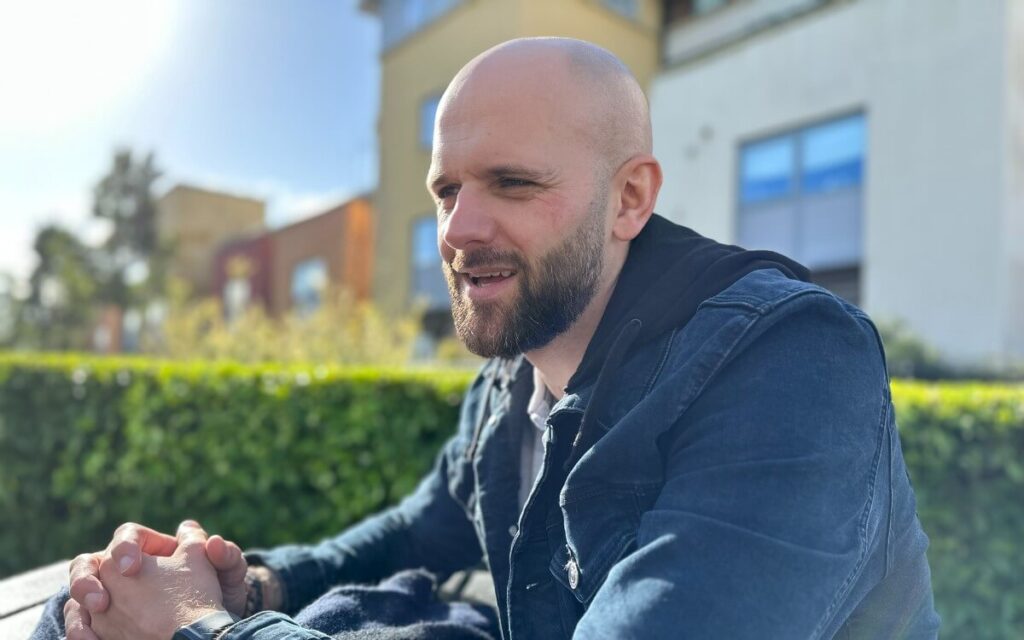
I’ve been shaving my head for around 20 years and I’ve experimented with my facial hair plenty of times along the way. I’ve worn a fuller beard for an extended period, but eventually settled on a shorter style because I think it suits my face better and it’s much easier to keep looking neat.
I’ve also shaved in styles such as the Van Dyke and Balbo to see how they look with a bald head, although I won’t pretend I lived with them for months. My wife made sure of that.
Below, I’ll take you through the beard styles I think work best with a bald head, what I’ve learned from trying them, and how things like face shape and beard thickness should influence your choice.
Should you grow a beard if you’re bald?
You should definitely consider a beard if you’re bald. A bald head with no facial hair can look plain and boring, and all the focus is on the lack of hair on your head. With no hair, a beard allows you to choose your own style above the neck.
Here are four advantages of growing a beard as a bald man:
1. Balances the face
Firstly, a bald head looks very plain and boring when the face is clean-shaven. Hair on top gives a contrasting look, but if you’re bald and have no beard, that contrast is missing.
Adding a beard balances out the lack of hair on top of the head, and as I’ve outlined below, there are lots of different styles to play with to find one you like.
2. Covers up minor imperfections
A beard is a great way to disguise any small skin imperfections, uneven skin tones, or even acne.
As a man in my 40s, I’m still not immune from the odd pimple, but these are a lot harder to see when they’re hidden in my beard.
3. Allows you to own your look
Let’s face it, baldness is rarely something we choose. Plenty of people decide to shave their heads, but losing their hair is something that happens to most bald men rather than being a deliberate choice.
However, growing a beard is a choice. Suddenly, you’re responsible for your look, rather than being someone that baldness happened to.
And what a great look, too. Beards and bald heads go together like peaches and cream, so own it and be the best beardy baldy you can be.
4. Confidence boost
Many bald men find their confidence knocked after losing their hair. It only takes one joke from a friend or colleague, or a knock-back from that girl you like who just isn’t into bald guys.
But on the flip side, realizing you can rock a badass beard is a hell of a boost to the ego. Instead of being the butt of bald jokes, you’re now receiving compliments on your fine-ass face furniture.
Need a little extra spring in your step? Try growing out the beard and see how people react.
Before we continue, you might want to check out this guide to looking better bald:
What is the best beard style for a bald head?
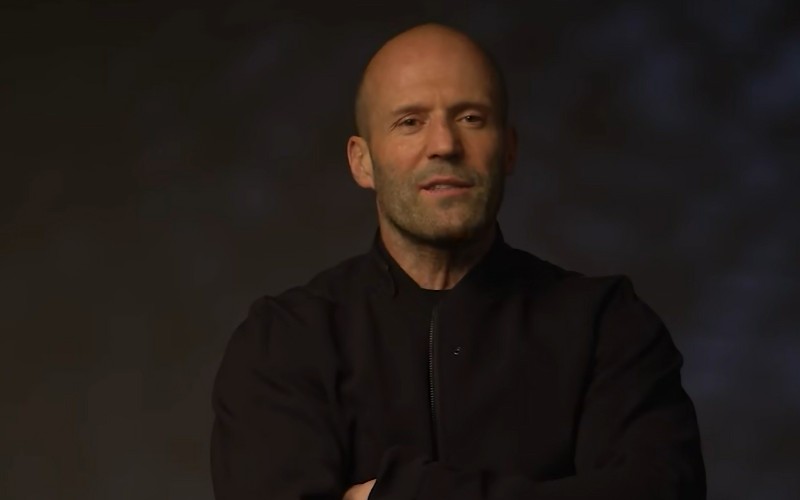
The best beard style for a bald head is the stubble beard – it’s low maintenance, and gives a rugged look that balances the face without taking over. It’s an on-trend look that has been popular for some time thanks to bald icons like Jason Statham.
There are, of course, other options that will look good if you want a longer beard. I’ll take you through the pros and cons of all the best beards for bald men below.
Best beard styles for bald guys: The full list
- Stubble: a rugged look that complements a bald head, balancing the face without overpowering it
- Full beard: styles like the Garibaldi or Viking beard give the face more structure and emphasize the jawline, which often complements the lack of hair on the head
- Goatee: draws attention to the mouth and chin, focusing the eye centrally which works well with a bald head
- Van Dyke: an edgy choice that gives a bald or shaved head a touch of sophistication
Here’s a little more about each option to help you choose the beard for you:
Short beard/heavy stubble
This is the style I’ve ultimately settled on myself.

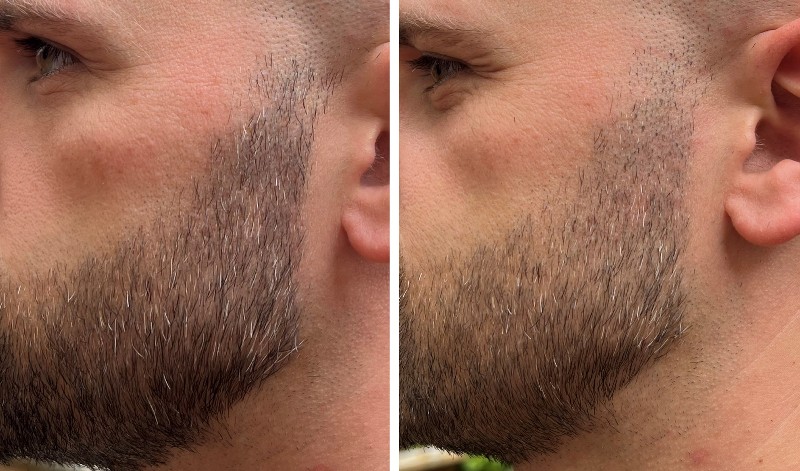
It gives me enough facial hair to add some contrast to my bald head without requiring the maintenance of a full beard. I normally keep it slightly longer around the chin and gradually fade it shorter towards my ears before blending it into my shaved scalp.
That gradual transition is one of the biggest advantages for bald men. A beard that suddenly stops where the scalp begins can look harsh, whereas a simple fade makes the beard and shaved head feel like one deliberate style.
It’s also easy to maintain at home with an adjustable beard trimmer. I normally tidy mine every four or five days, which is frequent enough to keep the shape without turning beard maintenance into a second job.
The main drawback is that shorter facial hair makes patchy growth more obvious. I have decent coverage overall, but the area between my lower lip and chin is thinner, and there’s nowhere for that to hide when the beard is short. Growing slightly longer can disguise patches if this is an issue for you.
Pros
1. Low-maintenance
Stubble needs much less upkeep than a fuller beard style. All you really need is a beard trimmer to keep it even and help you fade the sideburns into your bald head.
I tend to keep my stubble longer around the chin and have it taper neatly up to my head, where I shave my remaining hair all the way down with a razor. I don’t like the look of a sudden stop, so I use a variable-length beard trimmer to give me a skin fade – more on how to get this look below.
2. On-trend
Stubble never really goes out of fashion, but it’s particularly on-trend right now thanks to bald style icons like Jason Statham.
If you’re looking for a younger look, stubble can give you this, while a longer beard style can age a man.
Related: 8 Surprising Habits Bald Men Should Avoid to Look Younger
3. Quick and easy
Stubble is quick to grow. All you need is a few days of not shaving, unlike a full beard which demands months of dedication and patience.
You can basically decide over a weekend if you’re going to like the look or not, and it’s just as easy to shave off if you decide to go back to a clean shave.
Cons
1. Uneven growth
Sadly, not everyone has stubble like Statham due to the annoying fact that many guys can’t grow a beard evenly all over.
This is why beard transplants are a thing. But for many of us, that just isn’t an option. I have decent coverage, but my soul patch (the area of beard from the lower lip to the chin) is pretty sparse.
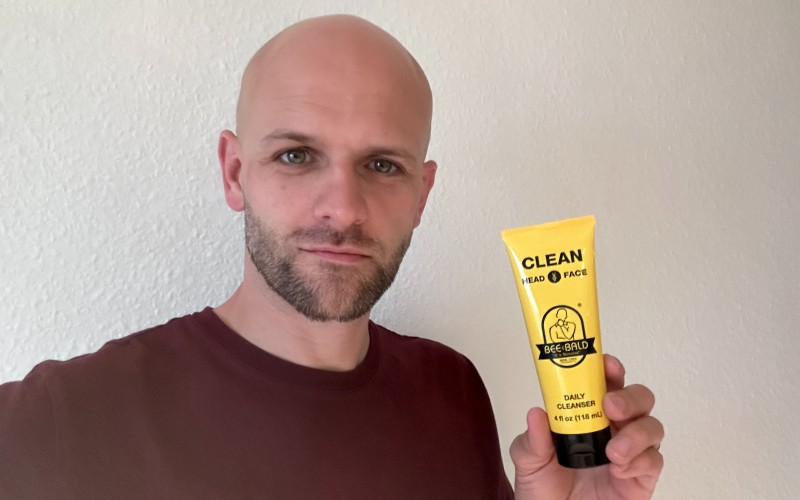
The options for those of us who don’t want a transplant are to grin and bear it, or simply not have a beard. Growing the beard out to a certain length will hide the thinner areas but in the meantime, thicker stubble will just exaggerate the contrast between the thick and thin areas.
2. Skin irritation
This is especially noticeable if you haven’t had a beard before. Rocking the stubble will give you an itchy face when you first grow it out, and there’s a sweet spot of stubble length where ‘beard itch’ is a constant annoyance.
The cause is the ends of the hairs pricking and tickling the skin on your face. The only thing you can do here is power through and consider a decent beard oil or balm to soften the beard and soothe the itchiness. I use this beard balm from Mad Viking.

3. Workplace heat
If you work in a particularly professional setting, your stubble might not be considered appropriate.
The annoying thing is that a neatly manicured full beard is usually fine, but you won’t generally get away with the in-between look of a stubble beard. It’s full Viking or clean-shaven for a lot of workplaces.
This is actually fair when you consider that, if not well-maintained, stubble can quickly go from looking rugged and intentional to appearing untidy or disheveled.
Full beard
I wore a fuller beard for quite a while before eventually deciding to take it shorter.
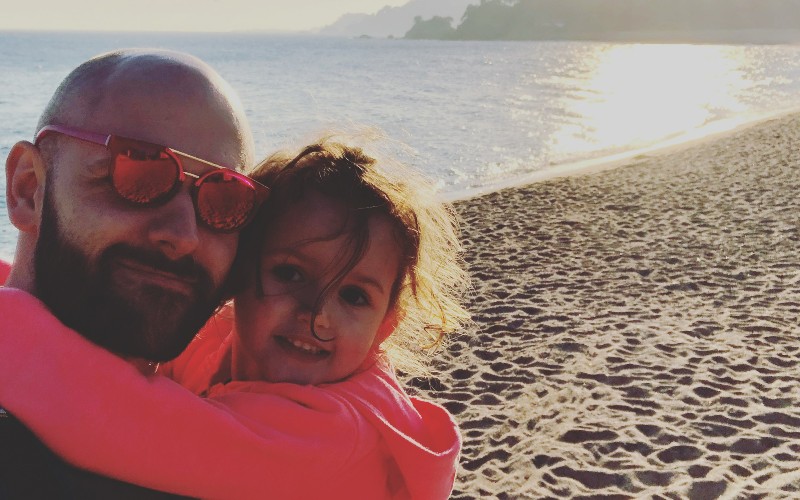
I liked the look, but keeping it neat became more work than I wanted. Left alone, mine started looking a little too wild for my taste, and I didn’t want to make regular trips to the barber just to keep it under control.
A shorter beard also suits my face better and is much easier for me to fade into my shaved head. When the beard is already fairly short around the sides, moving gradually from short hair to even shorter hair and finally bare skin above the ears is relatively forgiving.
Doing the same thing with a long beard is much harder. You’re trying to create a much bigger transition in length, and it’s easy to make the fade look uneven if you’re not confident with a trimmer.
That doesn’t mean I’d rule out a full beard. It creates a strong contrast with a bald head and gives you far more styling options than stubble. Just be prepared for more maintenance, particularly if you want it to look deliberately groomed rather than simply grown out.
Pros
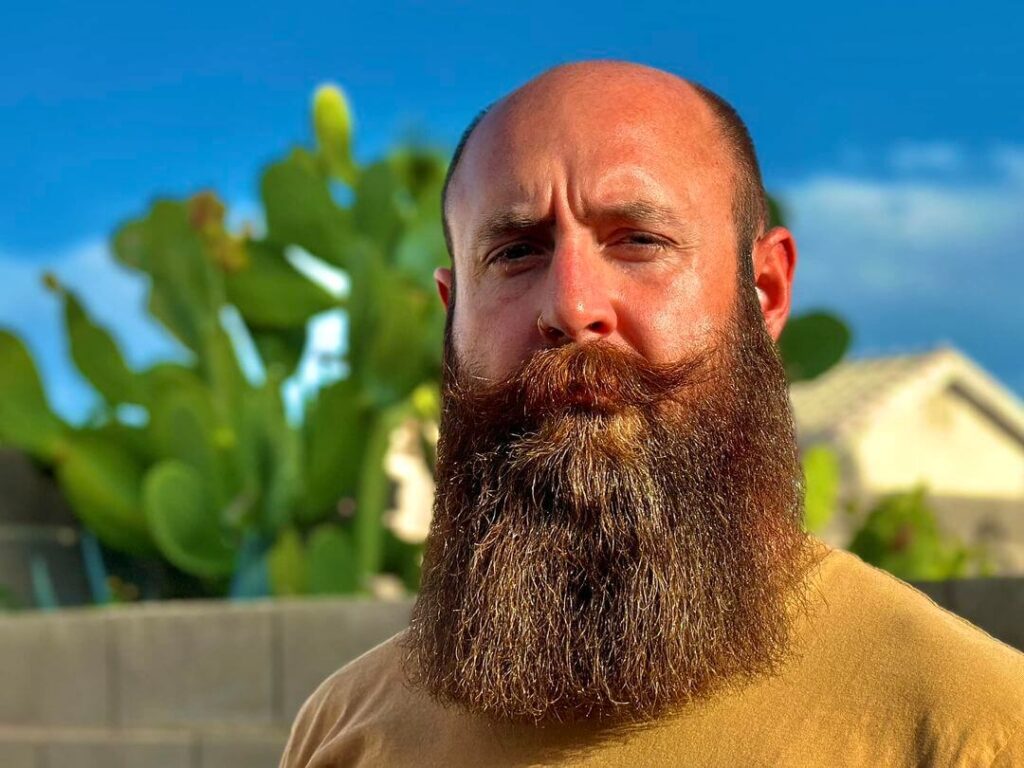
1. Masculine look
Nothing screams “manly” quite like a full beard. But a well-groomed beard paired with a shaved head is basically a living monument to testosterone.
And unlike the stubble look, a full beard is obviously a deliberate style choice, rather than the result of a few days of being too lazy to shave. It takes discipline to grow a full beard, especially if you make the commitment to grow a yeard – a full year’s beard growth.
2. Distraction technique
If you’re self-conscious about your receding hairline, then a full beard is a great way to divert attention away from your shiny dome.
Suddenly, your Male Pattern Baldness isn’t the big talking point above your neckline. Instead, you have a magnificent beard to distract people.
3. Seasonal flex
Cold winter? Not to worry. Your face has got its own built-in scarf. Plus, a full beard just looks great with winter attire. There’s a reason Santa doesn’t own a beard trimmer.
4. Artistic freedom
You have pretty limited options with stubble, but on the other hand, you can really get creative with a full beard.
Shape it, trim it, or even braid it if you’re into that sort of thing. You have the ducktail, the Garibaldi, the Viking, the box beard… lots of options to match your own unique style.
Cons
1. High-maintenance
Unlike the easy trimming routine that comes with a simple layer of stubble, a full beard demands commitment. Miss a trim, and you’re suddenly in Tom Hanks “Cast Away” territory.
And be warned – beard dandruff is a thing. ‘Beardruff’ is caused by dry skin or a yeast-like fungus, and full beard owners need beard-specific shampoo and a good quality beard oil to keep their chin-warmers flake-free.
2. The food trap
You haven’t truly experienced dining until you find leftovers in your beard from last night’s dinner.
When my beard was longer my wife would sarcastically ask if I was saving some for later, and to be fair a thick beard is great for crumb storage.
Goatee
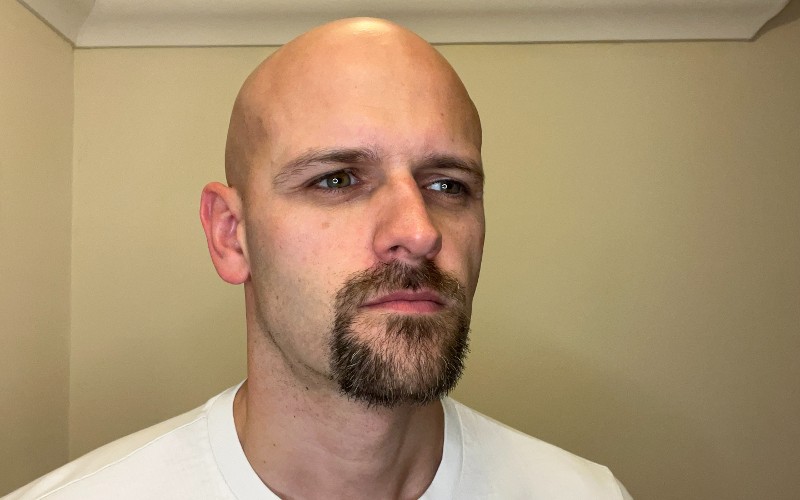
The humble goatee made a comeback in the 90s and early 2000s, with Brad Pitt and other icons of the time rocking the style.
There are several types of goatee, some of which look great on bald men (but definitely not all of them!)
If you think this might be the beard to pair with your bald head, here are some pros and cons to consider:
Pros
1. Professional?
Of all the beard styles, the goatee and bald head combination works best in a professional setting. If you work in an office or another more formal environment, you’re unlikely to be pulled up over this beard style.
2. Low maintenance
I’m a big fan of easy upkeep, and a goatee requires fairly minimal maintenance. Just stop shaving when you get to the boundary line and you’re good.
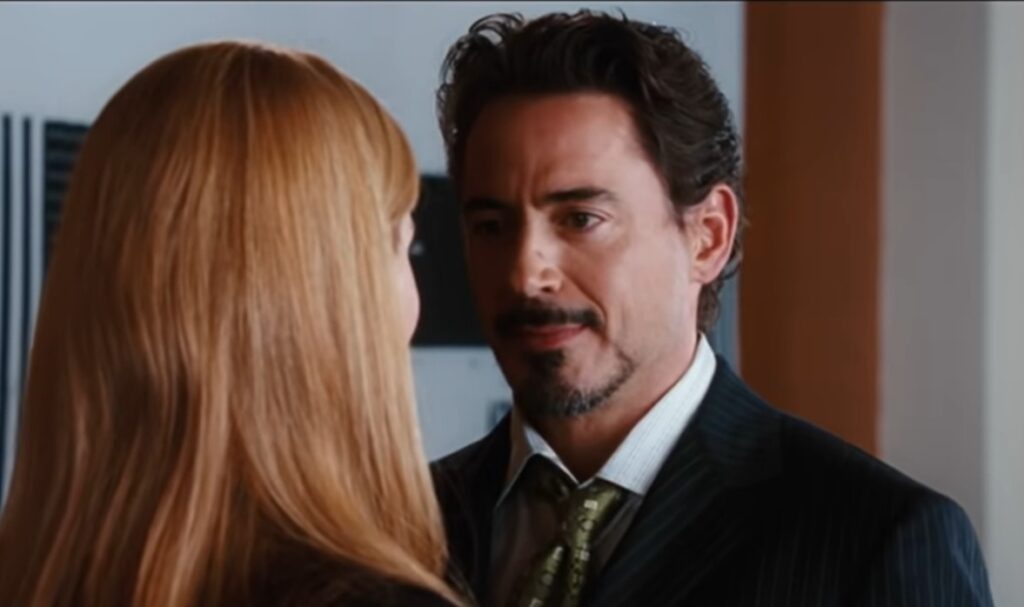
This is, of course, mainly true of the classic goatee. Styles like the anchor (Robert Downey Jr.’s calling card) require slightly more careful upkeep.
Which brings me to the next goatee plus point:
3. Versatility
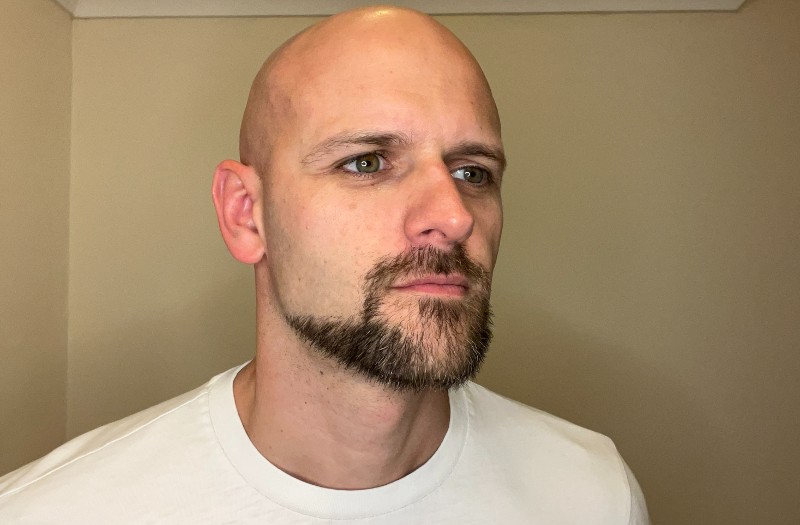
Not all goatees are created equal. While I don’t personally recommend the circle goatee (you’re not Stone Cold Steve Austin), you have styles like the Balbo, the anchor, and the Hollywoodian to choose from, all of which pair well with a bald head.
Cons
1. Over-exposure
The only downside with a goatee is that, to be honest, it’s been done. As mentioned above, every celebrity was rocking one in the ’90s and every edgy nu-metal kid was trying his best to grow one in the early 2000s.
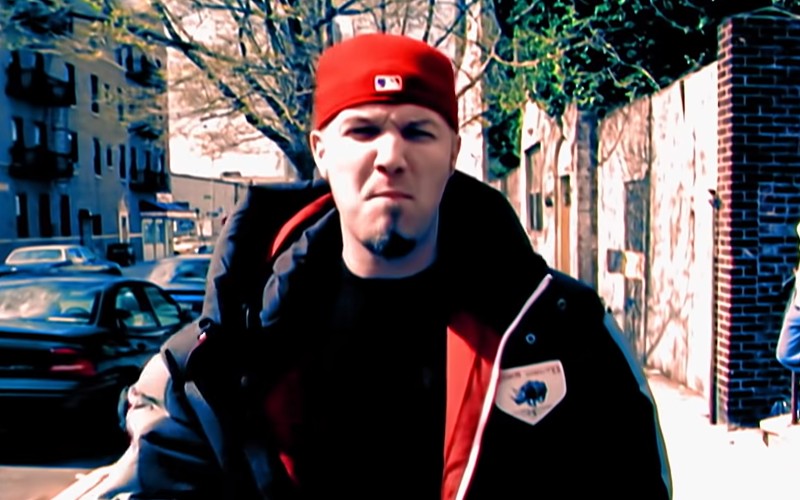
If you’re a bald guy with a goatee, you’re much more likely to be a little older – very few of those hip youngsters are rocking the look these days.
Van Dyke
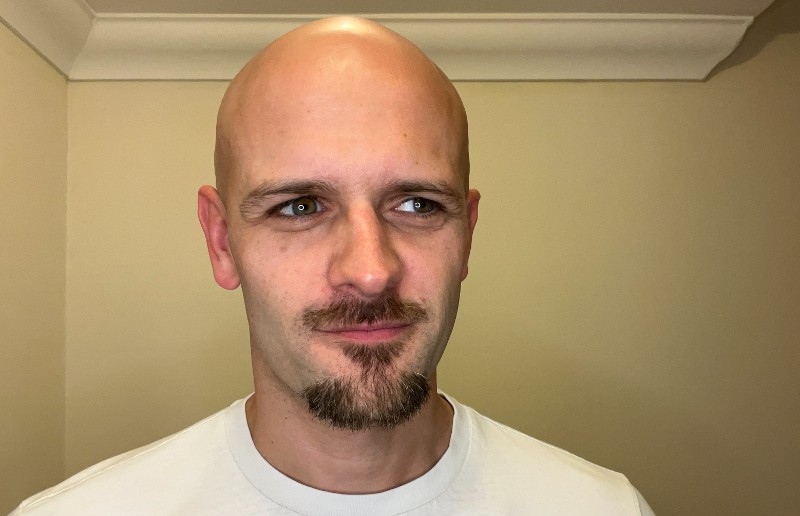
I actually think I pull off the Van Dyke beard quite well, but when I shaved it in for this photo, my wife threatened to divorce me if I kept it! Here are the pros and non-marriage-threatening cons:
Pros
1. Emphasizes individuality
The Van Dyke is not your everyday beard. This is ideal for the bald man who is a little ‘extra’ in a world of basic beards.
It becomes an elaborate focal point that diverts attention from the absence of hair up top. It also makes you memorable.
“Which one was Gary?”
“You know, the one with the fancy beard.”
2. Lets your mouth do the talking
The Van Dyke places emphasis on the lips and chin, drawing attention away from the extended forehead and shiny scalp.
This makes it a strategic choice for bald men who just don’t want everyone to focus on their dome. Instead, all eyes are on the lower half of their face.
Cons
1. The thicker the better
If your facial hair isn’t particularly thick, achieving the crisp lines and full appearance of a Van Dyke will be a challenge.
You can’t really have any half-measures when making such a bold choice. Thin or wispy facial hair will not do this beard style the justice it deserves,
2. Needs a steady hand
The Van Dyke calls for patience and accuracy during trimming, which can be tricky to execute at home.
One wrong move with the trimmer and you may need to shave it off and start again.
3. Not for the fashion-agnostic
The Van Dyke is not a beard style for the man who wears whatever is at the top of the laundry pile. Wearing sweatpants and a hoodie with a perfectly manicured Van Dyke is a complete mismatch.
A lazy Sunday on the couch is one thing, but if you’re stepping out you’ll need your outfit to match the standards set by your beard.
Choosing the right beard style for you
Not every beard style will suit every bald man. Face shape, skin tone, and personal style are all important considerations before choosing which beard to go for.
Face shape
Face shape plays a role in a lot of style decisions for bald guys, including the most suitable beard and even which glasses to pair with your bald head. Here are some common face shapes and which beards suit each one best.
| Face shape | Beard direction |
|---|---|
| Round | Add length with a ducktail or longer beard |
| Heart | Add some width around the jaw |
| Square | Keep the sides tighter and add length at the chin |
| Diamond | Add weight lower down without exaggerating the cheekbones |
| Oblong | Avoid excessive length; build some width |
| Oval | Most styles work, so choose based on beard growth and maintenance |
Round face
Men with round faces can choose to de-emphasize this roundness by choosing a longer beard to lengthen the face, or a medium-length beard to add sharpness and angles.
Longer beards like the Garibaldi will work well. The wild and natural Garibaldi has a rounded shape which adds definition and creates the illusion of length in a rounded face.
I used an app (no longer available sadly!) to mock up a Garibaldi to complement my own bald head:
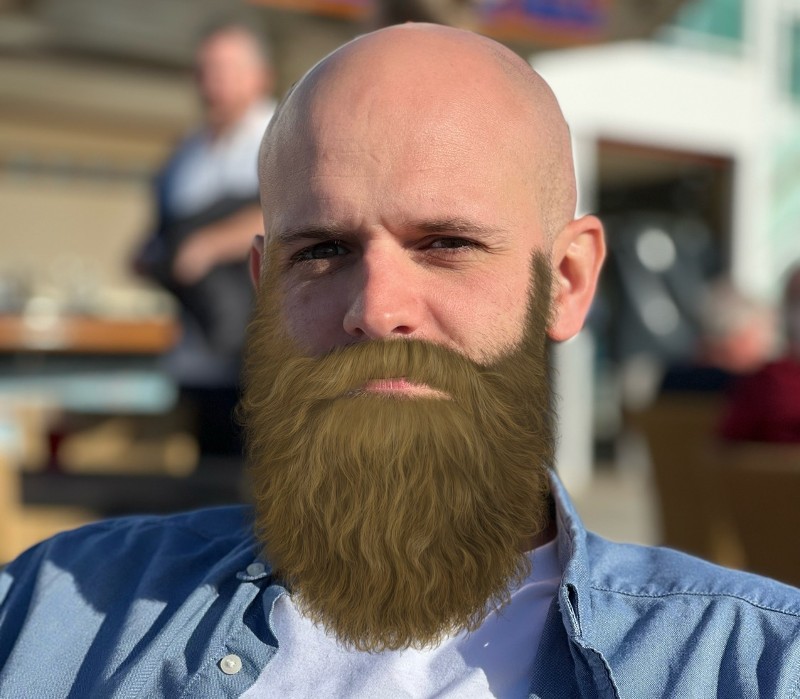
Secondly, a medium-length style like the ducktail beard can also complement a bald head and round face. By elongating the chin and jawline, the ducktail beard reduces this circular appearance.
Heart-Shaped Face
Men with heart-shaped faces have a wider forehead and a narrower chin. Bald men with this face shape can struggle with appearing top-heavy.
If you have a heart-shaped face, avoid short stubble, as this will only accentuate the natural shape of your face. Adding more volume on the sides can help balance out the proportions, contrasting well with that wide bald head.
The boxed beard is the ideal beard to help with this. It adds width at the bottom of the face, balancing out the width at the top.
Square faces
A square-shaped face is characterized by strong jawlines and an angular overall appearance. To contrast this, we’re looking for a beard that reduces the overall squareness of the face.
A pointed anchor or Van Dyke beard is ideal here as it adds length to the face while keeping the sides narrow.
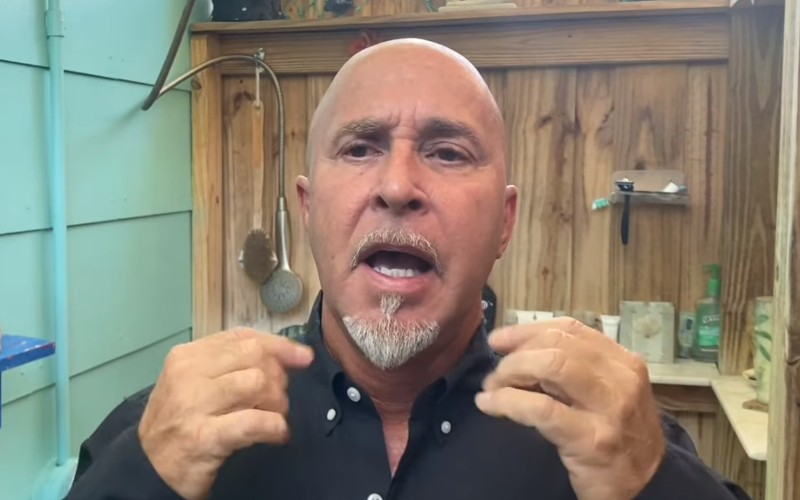
For square-faced bald men, pointed styles like these can balance out those strong, square features if grown out a little.
Diamond-shaped face
This face shape is narrow at the top and bottom but wide at the cheekbones. We’re looking for a beard style that adds contrast, so choose a style that adds more mass to the bottom, and avoid high cheek lines.
For bald men with diamond-shaped faces, a square or rounded beard can add some serious substance to the lower face, making it look more proportional to the cheekbones and complementing the lack of hair on top.
If you have a diamond shape to your face, avoid styles that hug too close to the jawline as it will only make your face appear even wider at the cheekbones.
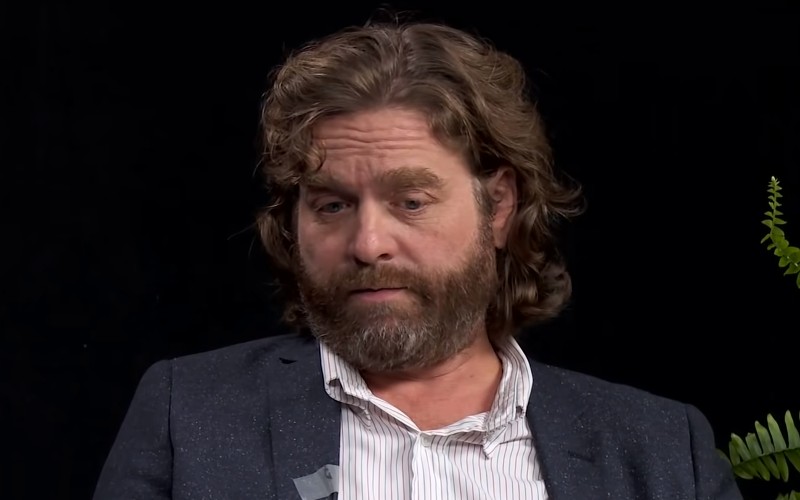
Oblong Face
Oblong faces are longer and narrower overall. Bald guys with oblong faces should avoid adding too much length, as this will accentuate the thinness of the face. If you don’t have hair to play with, a beard is your only option to add this width.
A thick and medium-length beard with a lot of volume will add the width we’re looking for, offsetting that long face. Wear the beard nice and high on the cheeks to make sure this width affects as much of your face as possible.
Oval Face
You’re one of the lucky ones if you have an oval face.
You’re blessed with a face shape that can pull off almost any beard style. Just focus on the best overall styles as described above and experiment freely, without worrying about your face shape.
Where should a beard end with a bald head?
If you shave your head but keep a beard, I think a gradual fade usually looks much better than having the facial hair suddenly stop at the top of your ears.
This is another reason I prefer keeping my own beard fairly short. I can trim it progressively shorter as I move towards my ears, then blend the final section into the area I shave completely bald.
Here’s my handy guide to help you learn how to pull this off:
How to fade a beard into a bald head
The steps below relate to shorter beards like mine, where I start by trimming the whole beard with a beard trimmer, then transitioning down the length settings. If you have a longer beard, you’ll need to start higher up the cheeks and use more grade transitions to move down the different lengths.
If you have a longer beard style, it will be too long to use a trimmer all over and I recommend visiting a barber for a professional cut rather than trying a DIY job.
Tools you’ll need:
- Precision beard trimmer with half grades (I use the Brio Beardscape V2)
Steps:
1. Initial shave: Set the trimmer to the longest length you want (e.g., grade 5) and shave the entire beard, focusing on the goatee area.
2. First fade layer: Drop the setting down a full grade to 4. Shave from the edge of the goatee over the cheeks.
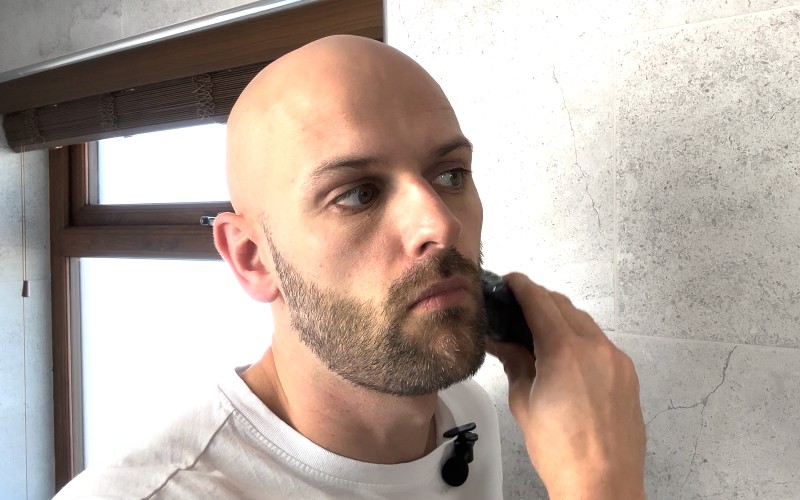
3. Smooth transition: Use the 4.5 setting briefly to even out the transition between grades 4 and 5.
4. Second fade layer: Switch to grade 3. Shave the area from cheeks close to ears. Use the 3.5 setting for a brief touch-up.
5. Mustache care: Still at grade 3, trim the mustache starting from the edges towards the middle.
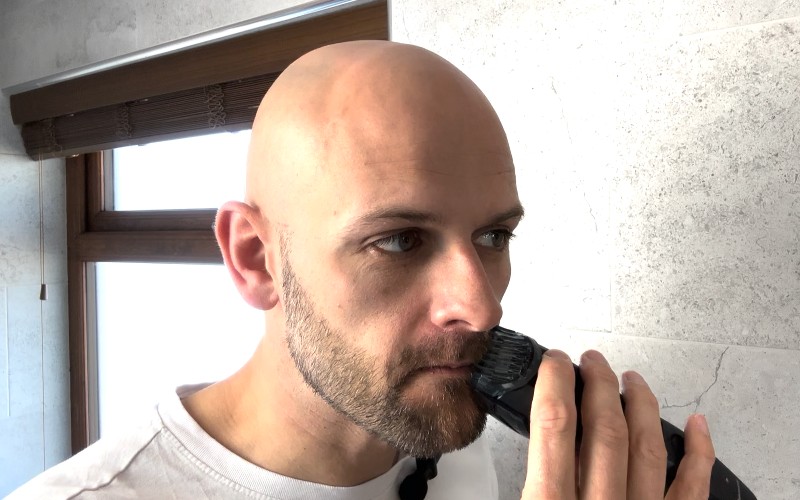
For stray hairs (especially just under the nose), remove the guard and trim carefully.
6. Third fade layer: use grade 2. Shave the area at the lower half of the ears.
7. Final touches: Use grade 1 for the area next to the top half of the ears. Remove the guard to trim any remaining hairs. If you have an electric head shaver, lightly go over the areas where the no-guard shave meets the razor shave.
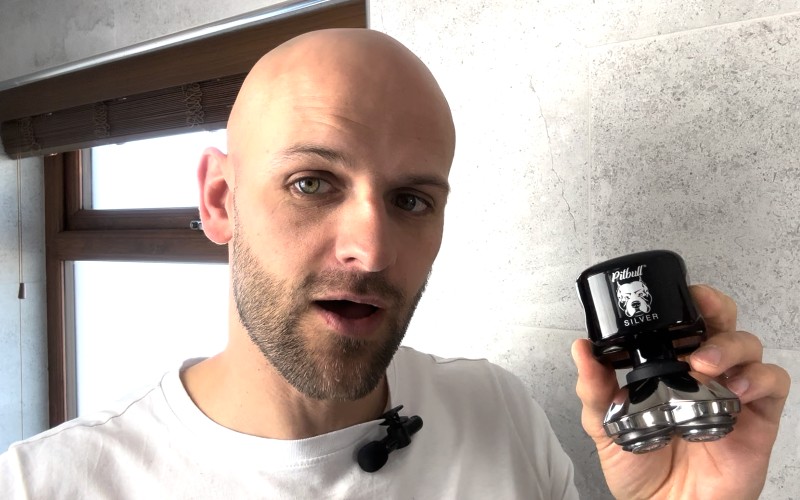
8. Clean the sink!
Tips:
- Be consistent on both sides of the face.
- Keep the beard short initially; it’s easier to learn to fade.
- Pay close attention to the start and end points for even fading on both sides.
- If you make mistakes, let it grow out a bit rather than trying to fine-tune imperfections.
FAQs
How often you need to trim your beard depends on your beard style. For shorter, well-defined styles like stubble, a trim every few days may be needed to keep it looking sharp. For medium to long beards, every two weeks is fine.
I like to trim my beard every 4-5 days as this is when it starts to lose definition and looks a little scruffy. Always make sure to regularly snip away any stray hairs to keep that polished, well-maintained appearance.
Note that growth rates vary from person to person, so these are not hard and fast rules.
Growing a full beard with patchy growth can be challenging but it’s not impossible. Let your beard grow out for a few months to allow slower-growing areas time to catch up. Over time, longer beard hairs can help to cover and camouflage thinner, patchier spots.
As the beard gets fuller, patchy areas are much less noticeable. While all this is happening, experiment with beard oils that contain natural ingredients that support hair growth.
A professional barber’s expertise and precision is usually best for complex beard styles or when you’re significantly changing your look. Some routine maintenance can be done at home, provided you have the right tools and you learn the basics of beard grooming.
For beginners, use those first few visits to a barber as research – watch carefully and ask for tips for DIY upkeep.
Beard itch is common but manageable. Regularly wash your beard with a beard-specific shampoo to remove dirt and excess oil, and follow up with a conditioner to keep the hair soft. Hydrating products like beard oil and beard balms also reduce itchiness.
Note: some people get along just fine with regular shampoos rather than beard-specific products. However, I’m a big fan of using the right tools for the job, and prefer using a beard wash rather than an all-purpose shampoo.
Summary
There’s a beard style for every bald man, so hopefully you found some inspiration above and you’ve settled on the right beard for you.
Beards don’t look after themselves though, so make sure you have the right maintenance products to keep your beard looking its best:
Mad Viking Wolf Pack Beard Kit
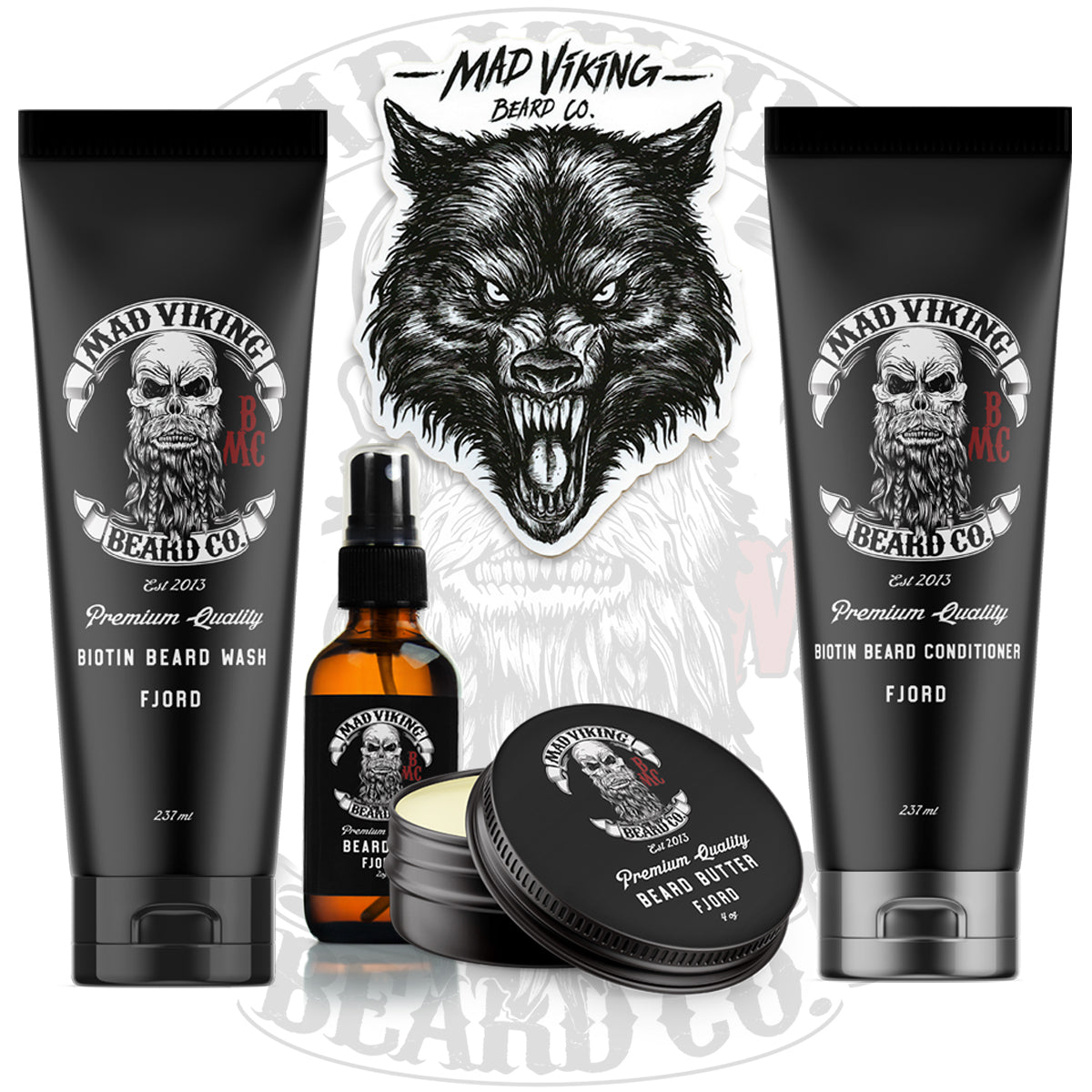
- 2oz Beard Oil
- 4oz Beard Butter
- 8oz Biotin Beard Wash
- 8oz Biotin Beard Conditioner
- Mad Viking Wolf Pack sticker!
Finally, a shout-out to the Bald and Bearded Facebook page – head on over and say hi!